
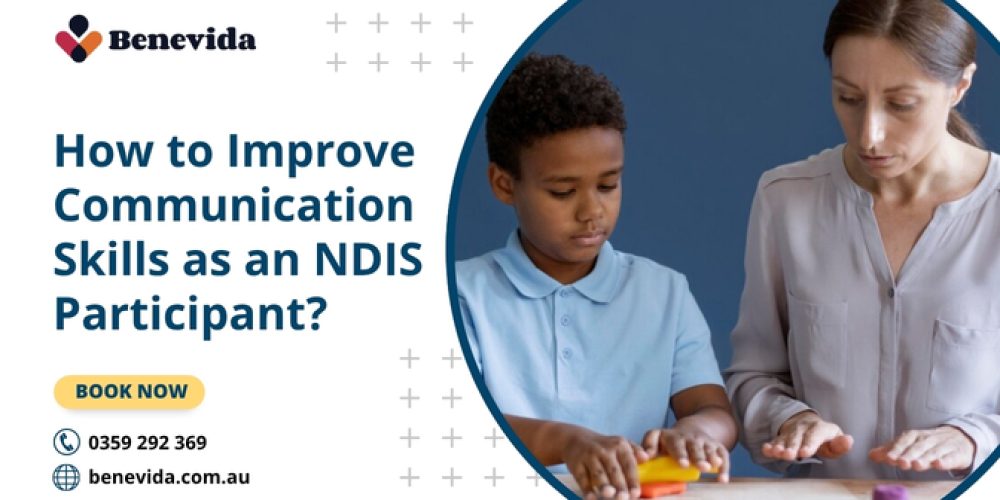
Strong communication is the foundation of independence, relationships, and confidence. For participants seeking NDIS life skills development in Melbourne services, structured support can turn everyday communication challenges into achievable goals.
What Are NDIS Life Skills Development Supports?
NDIS life skills development supports help participants build practical abilities—like communication, budgeting, and daily routines—needed for greater independence. These supports are tailored to each participant’s goals under their NDIS plan and delivered by qualified support workers or allied health professionals.
Why Does Communication Matter for NDIS Participants?
Communication affects everything from social relationships to accessing services and expressing needs safely. Participants with stronger communication skills report better wellbeing, more independence, and improved community participation.
How Does NDIS Help Develop Independent Living Skills?
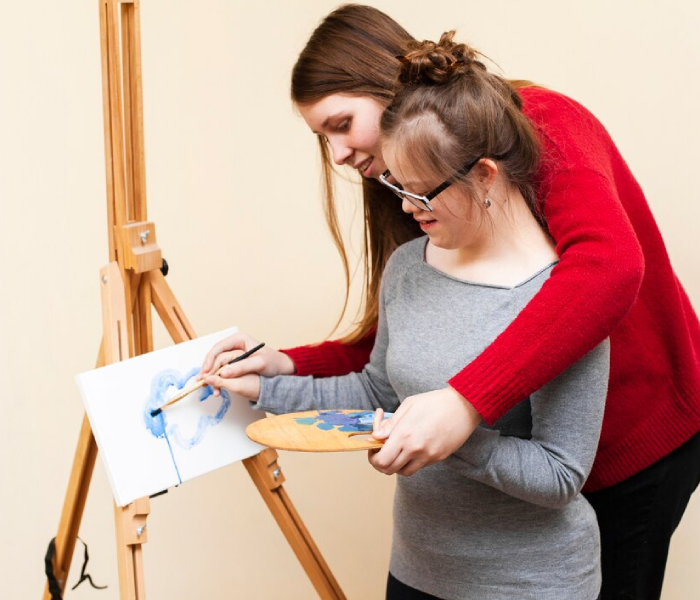
NDIS funding can cover daily living skills support under NDIS in Melbourne, including one-on-one coaching, group programs, and NDIS speech and communication support delivered by speech pathologists. This support is built into Capacity Building or Core Support categories, depending on individual plan goals.
Practical Ways to Improve Communication Skills
- Practice active listening – repeat back what you’ve heard to confirm understanding.
- Use visual aids or AAC devices – supports non-verbal or low-verbal participants in expressing needs.
- Join group programs – builds social communication skills through real-world practice.
- Work with a speech pathologist – targets specific verbal communication training goals.
- Set small, measurable goals – e.g., initiating one conversation per day.
- Role-play everyday scenarios – ordering coffee, greeting neighbours, or calling a service provider.
NDIS Communication Skills Training: What Does It Involve?
NDIS communication skills training typically combines speech therapy techniques, social skills coaching, and real-life practice sessions. Sessions are personalised, goal-based, and often delivered both individually and in small groups to build confidence in different settings.
| Support Type | Focus Area | Delivered By |
| Speech Pathology | Verbal & non-verbal communication | Speech Pathologist |
| Social Skills Groups | Peer interaction, conversation practice | Support Worker/OT |
| Communication coaching disability programs | Confidence & self-expression | Trained Coach |
| AAC & Assistive Tech Training | Alternative communication tools | Allied Health Professional |
How Can NDIS Self-Management Skills Support Communication Growth?
Building NDIS self-management skills empowers participants to advocate for themselves, choose their own supports, and communicate preferences directly with providers. This independence often accelerates progress across all life skill areas, not just communication.
What Makes the Best NDIS Life Skills Development Provider Melbourne?
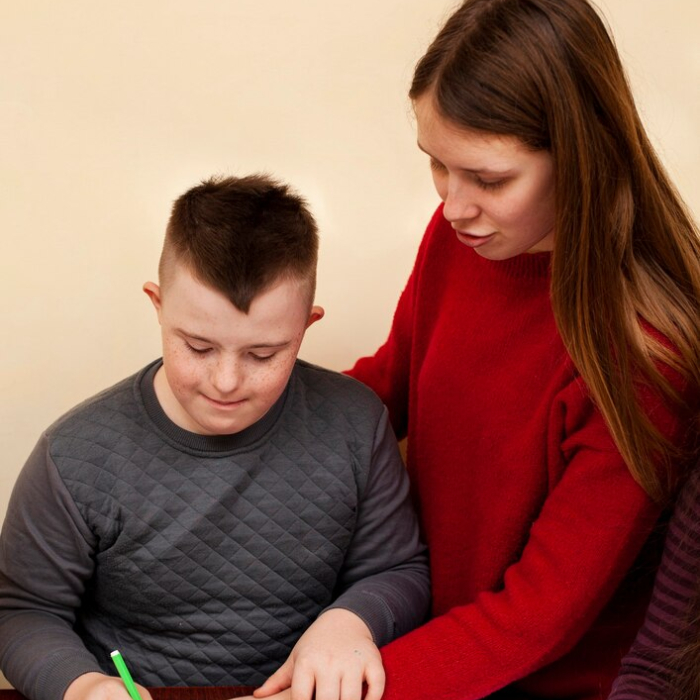
The best NDIS life skills development provider in Melbourne offers individualised plans, qualified staff, measurable goal tracking, and genuine community-based practice opportunities—not just clinic-based sessions.
Look for a provider offering:
- Person-centred planning
- Experienced, NDIS-registered staff
- Transparent progress reporting
- Flexible NDIS life skills training for adults in Melbourne options
- Strong local community connections
Who Benefits from Communication Skills Development?
Children, teens, and adults with intellectual disability, autism, acquired brain injury, or speech impairments can all benefit from structured communication skills development programs, regardless of age or NDIS plan type.
Ready to Build Stronger Communication Skills?
If you’re searching for trusted NDIS life skills development in Melbourne, our experienced team at Benevida Services can help you or your loved one build confidence, independence, and real-world communication skills. Contact us today to book a free consultation and start your personalised NDIS journey.
Frequently Asked Questions
What is included in NDIS life skills development supports?
It includes communication training, daily living skills, social skills coaching, and independence-building activities funded under a participant’s NDIS plan.
Can NDIS funding cover speech pathology services?
Yes, NDIS speech and communication support is commonly funded under Capacity Building supports.
How long does communication skills training take to show results?
Progress varies by individual, but many participants notice improved confidence within a few months of consistent sessions.
Is group therapy effective for improving social communication skills?
Yes, group settings provide real-world practice that builds confidence alongside peers facing similar challenges.
Do I need a diagnosis to access NDIS communication support?
You need an NDIS plan with relevant goals; a formal diagnosis isn’t always required, but functional need must be demonstrated.